
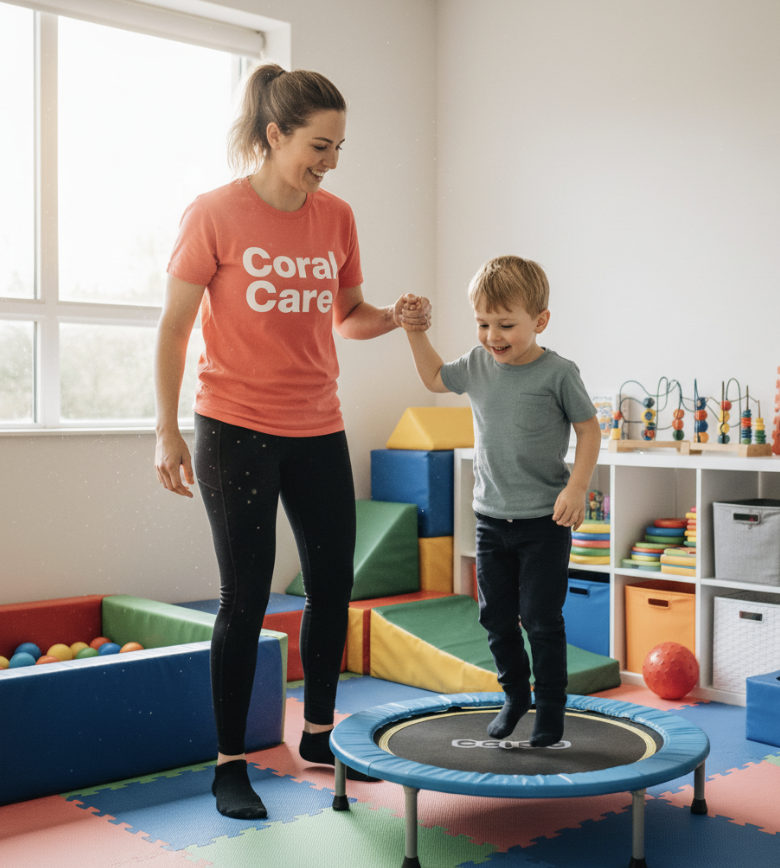
Sensory integration is a foundational approach in pediatric occupational therapy. While it is often misunderstood as “just sensory play,” experienced OTs know that effective sensory integration techniques are intentional, individualized, and deeply rooted in clinical reasoning.
In pediatric practice, sensory integration techniques help children regulate their bodies, engage more fully in daily activities, and participate meaningfully in play, learning, and routines. When applied thoughtfully, these strategies support not just sensory processing, but also attention, emotional regulation, motor planning, and overall functional participation.
This article outlines practical, play-based sensory integration techniques pediatric occupational therapists use in real sessions, along with clinical considerations for applying them effectively.
Understanding Sensory Integration in Pediatric Occupational Therapy
Sensory integration refers to the way the nervous system receives, organizes, and responds to sensory input from the body and environment. When sensory processing is disrupted, children may struggle with regulation, attention, coordination, or participation in everyday activities.
In pediatric occupational therapy, sensory integration is not a standalone activity or a checklist of tools. It is a framework that informs how therapists structure environments, select activities, and grade input to support functional outcomes.
Children with sensory processing challenges may seek or avoid certain types of input, become overwhelmed in busy environments, or have difficulty maintaining an optimal level of arousal for play and learning. Sensory integration techniques help address these challenges by providing the right type and amount of input at the right time, always tied back to participation and function.
Key Benefits of Sensory Integration Techniques in OT Sessions
When sensory integration techniques are applied intentionally, they support multiple areas of development and participation.
Sensory integration techniques can help:
- Improve regulation and readiness for engagement
- Support attention and sustained participation in tasks
- Increase tolerance for sensory input in daily routines
- Enhance motor planning and body awareness
- Create a foundation for fine motor, self-care, and learning skills
Rather than targeting isolated sensory responses, pediatric OTs use sensory integration to help children access their environments more successfully and participate more fully in meaningful activities.
Core Sensory Integration Techniques Used by Pediatric OTs
Proprioceptive Input for Regulation and Body Awareness
Proprioceptive input is one of the most commonly used sensory integration techniques in pediatric OT. It involves input to the muscles and joints and is often organizing and regulating for many children.
Common proprioceptive strategies include:
- Heavy work activities such as pushing, pulling, or carrying
- Joint compression through weight-bearing play
- Climbing, crawling, or resistance-based movement
Proprioceptive input is frequently embedded into play and transitions to support regulation, attention, and body awareness throughout a session.
Vestibular Input to Support Arousal and Postural Control
Vestibular input involves movement and balance and has a powerful effect on arousal and regulation. Pediatric OTs carefully grade vestibular input to match the child’s needs and goals.
Examples include:
- Linear movement such as swinging, rocking, or scooter board play
- Controlled changes in head position during play
- Movement activities that support postural control and balance
Clinical reasoning is critical when using vestibular input, as too much or poorly graded movement can lead to dysregulation rather than improved engagement.
Tactile-Based Techniques for Sensory Modulation
Tactile input plays a significant role in how children interact with materials, peers, and environments. Pediatric OTs use tactile-based techniques to support both sensory modulation and discrimination.
These techniques may include:
- Hands-on play with a variety of textures
- Messy play embedded in meaningful activities
- Gradual exposure to tactile input within the child’s tolerance
Rather than forcing interaction with non-preferred textures, effective tactile-based sensory integration respects boundaries while supporting gradual expansion of sensory experiences.
Auditory and Visual Input in Sensory Integration
Auditory and visual input can significantly impact regulation and attention, especially in busy or overstimulating environments.
OTs may address these sensory systems by:
- Structuring the environment to reduce sensory overload
- Supporting visual organization during tasks
- Modifying background noise and visual distractions
These strategies are often subtle but play an important role in supporting engagement and participation during therapy and daily routines.
Play-Based Sensory Integration in Pediatric OT Sessions
Play is the primary vehicle for sensory integration in pediatric occupational therapy. Through play, sensory input becomes meaningful, motivating, and functional.
Play-based sensory integration allows therapists to:
- Follow the child’s lead while embedding therapeutic input
- Adjust sensory input dynamically based on the child’s responses
- Support regulation without breaking engagement
Rather than separating sensory activities from functional goals, pediatric OTs integrate sensory input into play, transitions, and everyday tasks to support carryover and generalization.
Clinical Strategies for Using Sensory Integration Effectively
Effective sensory integration requires more than access to equipment or materials. It relies on observation, flexibility, and ongoing clinical decision-making.
Key strategies include:
- Following the child’s cues and responses to sensory input
- Grading intensity, duration, and type of input intentionally
- Observing changes in regulation before and after activities
- Avoiding over-reliance on sensory tools without functional purpose
- Supporting autonomy and choice whenever possible
Sensory integration is most effective when it is responsive rather than prescriptive.
Common Challenges with Sensory Integration and How OTs Adapt
Even with strong clinical reasoning, challenges can arise in sensory-based intervention.
Common challenges include:
- Children becoming dysregulated during sensory activities
- Difficulty generalizing strategies across settings
- Parent expectations for quick or visible results
- Differences in sensory demands between home, school, and community environments
Pediatric OTs adapt by adjusting sensory input, embedding strategies into routines, collaborating closely with caregivers, and continuously refining their approach based on the child’s responses and progress.
Why Sensory Integration Techniques Fit Modern Pediatric OT Practice
Sensory integration techniques align well with modern pediatric occupational therapy because they are flexible, relationship-driven, and responsive to real-life contexts.
These techniques:
- Translate easily across home, school, and community settings
- Support parent education through real-time modeling
- Align with play-based and child-centered care models
- Allow therapists to practice with autonomy and clinical judgment
When supported by the right practice environment, sensory integration becomes a sustainable and effective approach for both children and clinicians.
Conclusion
Effective sensory integration techniques are a core component of pediatric occupational therapy. When used intentionally, they support regulation, participation, and functional engagement across environments.
Sensory integration is not about protocols or tools. It is about understanding the child, reading their nervous system, and using play and movement to support meaningful participation in everyday life.
Join a Community That Supports How You Practice
At Coral Care, we believe pediatric occupational therapists do their best work when they are supported to practice with clinical judgment, flexibility, and purpose.
If you are interested in learning more about building a sustainable pediatric OT practice within a supportive community, you can explore opportunities to join Coral Care here:
👉 Learn more and join the Coral Care provider community:
https://www.growwithcoral.com/become-provider
Frequently Asked Questions
Is sensory integration therapy evidence-based?
The evidence base for sensory integration therapy has grown significantly in recent years. AOTA recognizes it as a supported intervention for children with sensory processing differences and autism. Studies show positive effects on sensory processing, self-regulation, and goal attainment when delivered by a trained OT using fidelity-consistent methods. Outcomes are strongest with structured, child-led sessions that follow Ayres Sensory Integration principles.
What is sensory integration therapy in pediatric OT?
Sensory integration therapy is an OT approach developed by Dr. A. Jean Ayres that uses structured sensory experiences to improve how the brain organizes and responds to sensory input. Sessions typically involve swinging, jumping, deep pressure, and tactile activities calibrated to the child's sensory profile. The goal is improved self-regulation, motor coordination, and daily functioning — not just sensory tolerance.
